Support vital abortion stigma busting efforts today!
DONATE
Voices from SWANA at ARJC 2026
Posted October 20, 2026 byThe Abortion & Reproductive Justice Conference (ARJC) is a biannual conference that aims to be a collective, political, and academic space rooted in solidarity, care, and resistance for abortion activists across the globe. The conference brings us together to provide a forum for shared learning, strategizing, and networking on the issues of abortion and reproductive justice.
As part of our commitment to uplifting voices and participation from the Southwest Asia and North Africa (SWANA) region, Inroads supported three members to attend ARJC 2026, held in Nairobi, Kenya, from 16 to 18 June 2026.
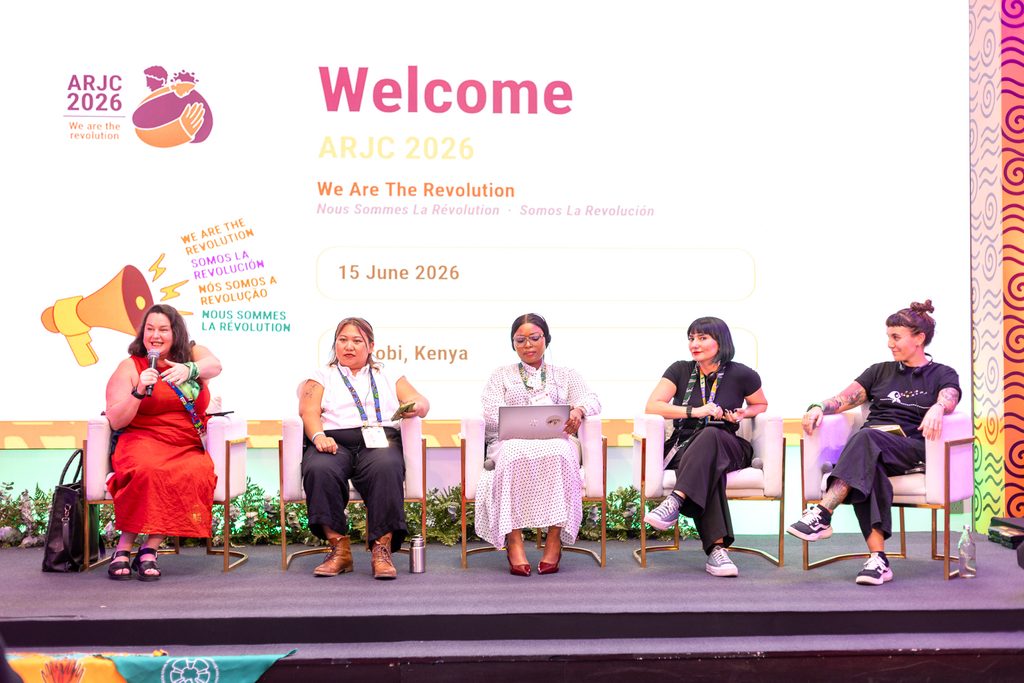
The following are their ARJC experiences in their own words:
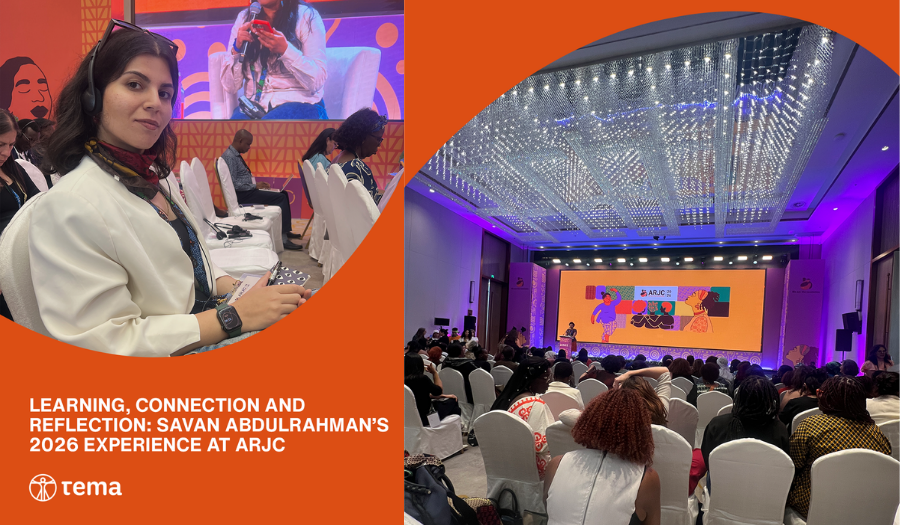
Savan Abdulrahman, from Iraqi Kurdistan and a member of Tema Creative Hub, expressed what it meant to participate in a space like ARJC.
“My experience with the inroads community expands on years of networking and exchanging information on SRHR virtually. As a researcher from Kurdistan working on reproductive justice, sometimes the path seems lonely and tiring. Coming together with a wider group working on the same topic lightens the path and gives it new energy. That’s why ARJC was the lighthouse that allowed us, as the inroads community, to meet closely with the inroads team and members, connect face to face, and strengthen our bonds.
At ARJC, I had the chance to introduce my book, 91 Days, the first book published on abortion in Kurdish, and bring the international community’s attention to the issue of reproductive justice in Iraqi Kurdistan.
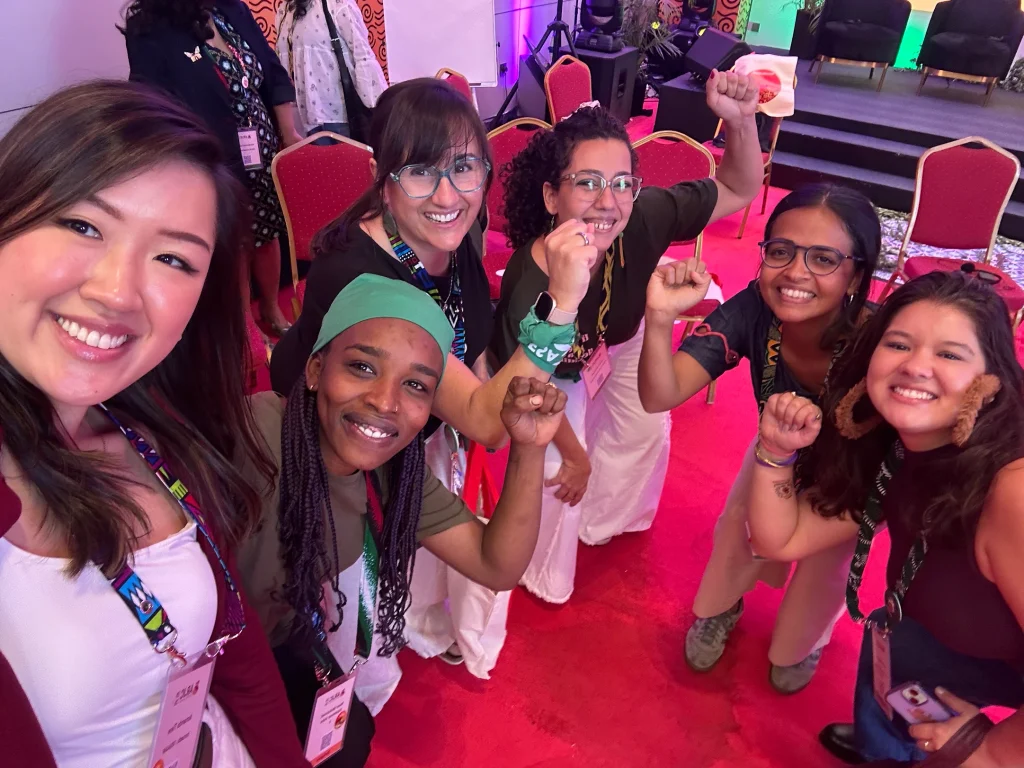
One of the most engaging workshop sessions by inroads invited participants from different countries to work in teams to rewrite the lyrics of familiar songs with empowering messages about reproductive health and justice, before performing them together. This creative exercise demonstrated how art can be reimagined as a powerful tool for social change, making advocacy both enjoyable and memorable while fostering collaboration across diverse cultures.”
Kareen Ajour, from Lebanon, member of MOSAIC-Mena and a volunteer with the A Project Sexuality Hotline, shared about what being in a global space in times of genocide and occupation felt like:
“Being part of ARJC 2026 felt like a natural culmination of everything – both the movement here in Lebanon and what I have been going through during this war. Seeing the sheer amount of genuine solidarity that I was on the receiving end of, coming from so many activists from all over the world, was both shocking and heartwarming to me.
I felt like we, as participants and attendees, had the chance to carve out the space we wanted to see come to life. Not only that, but even anger and protest had taken shape within these bonds that I had formed. I felt like we collectively got the chance to leave a better, more accountable and inclusive space than the one we had found.
As someone who was internally displaced at the time of the conference, and as the Israeli aggression on Lebanon continues to affect me and mine in so many life-altering ways, I felt like it was refreshing to get the chance to reconcile my activism with my lived reality at ARJC 2026.
A big part of what held the meetup together for me was the team at inroads, who ensured that every interaction at the conference was a practice of care, resistance, and reckoning.”
And Noura from Sudan shared what being supported by inroads in such a large space of activists and a shared thread of solidarity meant, particularly during a time of continued war and displacement in her home country:
“I came to ARJC through inroads carrying with me the realities of Sudan’s ongoing war and the experiences of women and girls whose lives have been profoundly affected by conflict. As a feminist activist and human rights defender working on reproductive justice, I brought stories from communities where healthcare systems have collapsed, sexual and gender-based violence has increased, and women’s bodies have become sites of violence and political control. I also came with a genuine desire to learn from others and to understand how reproductive justice movements around the world are responding to crises, inequality, and structural injustice.
What I received was far more than knowledge; it was a deep sense of belonging. Being surrounded by activists, organizers, and advocates from diverse contexts reminded me that although our struggles take different forms, they are united by a shared vision of dignity, bodily autonomy, and justice. I left with new ideas, practical tools, and meaningful relationships that I believe will continue well beyond this journey. Most importantly, I found a community that sees collective care and solidarity not simply as values, but as essential foundations for sustaining movements.
Being part of inroads held special meaning for me because the Sudanese feminist movement is navigating one of the most difficult periods in its history. Many activists have been displaced, community initiatives have been disrupted, and women continue to bear the heaviest burden of the conflict. In this context, spaces like ARJC are more than learning opportunities; they are spaces for recognition, healing, and collective strategy. They affirm that the knowledge produced by local activists matters, and that those living through conflict must be part of shaping global conversations on reproductive justice.
Two lessons will remain with me. First, reproductive justice cannot be separated from peace, economic justice, environmental justice, or human rights. In Sudan, the collapse of healthcare systems, forced displacement, hunger, and insecurity directly shape women’s reproductive lives. Achieving reproductive justice therefore requires addressing the structural conditions that deny people the opportunity to live with dignity.
Second, sustainable movements are built on relationships, trust, and mutual care. In times of war and displacement, solidarity is not merely an ethical value it is a strategy for resilience and survival. Listening to the experiences of other movements strengthened my belief that hope can be cultivated through collaboration, shared learning, and mutual support, even in the most difficult circumstances.“
We are deeply grateful to our inroads members for their active participation, generous sharing, and vulnerability with these contributions, particularly as continued genocide, occupation, war, and colonial efforts impact the SWANA region. We stand in solidarity with our SWANA members and look forward to continued spaces for learning, trust-building, and solidarity efforts as we pave the way forward to ARJC 2028.