Support vital abortion stigma busting efforts today!
DONATE
SiTCha: Expanding Abortion Access and Reproductive Justice in Zambia
Posted June 16, 2026 byCommunity Members Stories Series
At inroads, we are proud to nurture movement leaders and grassroots organizations across the globe who are at the forefront of advancing abortion justice. This blog series highlights stories from our community members, showcasing the collective power of their work and the impact of the inroads community.
Through these testimonies, we aim to amplify their leadership and highlight the importance of resourcing community building & grassroots movements and the critical role they play in advancing reproductive justice.
SiTCha: Expanding Abortion Access and Reproductive Justice in Zambia
For many women in Zambia, abortion stigma, restrictive laws, and lack of access to safe services create dangerous barriers to reproductive healthcare. For more than a decade, Sisters Taking Charge (SiTCha) has worked tirelessly to ensure that young women and people have access to the life-saving information they need to access safe and stigma-free abortion care.
In 1987, Caroline, founder of SiTCha, survived an unsafe abortion as a young student, unaware that Zambia had had a law allowing safe abortions since 1972. The silence around abortion laws—combined with cultural and religious taboos—meant that many women and people in need of abortion care, including herself, were forced into dangerous and unnecessary situations.
“I could have died because my abortion was unsafe. And yet, there was a law that entitled me to a safe abortion. Decades later, the majority of women in Zambia still do not know that this law exists.”
Since then, Caroline has made it her mission to break the silence through SiTCHa’s work throughout the country, particularly in remote areas and villages, to ensure that every young woman and person possesses knowledge of their rights and can make informed choices about their bodies.
A Fight for Information, Access, and Justice
Like in Caroline’s situation almost four decades ago, many young women and people in Zambia continue to die from unsafe abortions, oftentimes because they do not know that safe services exist and are legal, or because abortion services remain inaccessible due to compounding financial and logistical barriers.
“I lost a friend when she was 8 months pregnant. She drank a concoction to end the pregnancy and she died. If she had known about the law earlier, if she had access to the right information, she could have made a safer decision.”
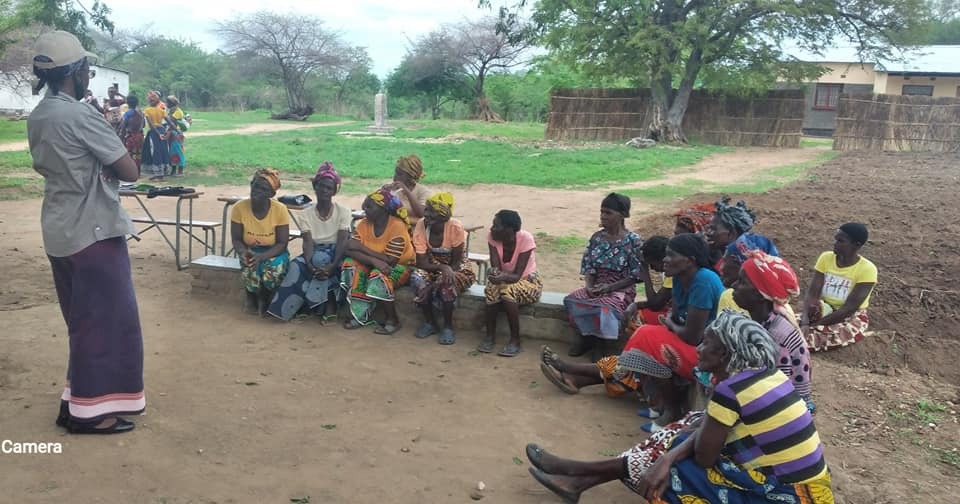
Through its work and advocacy, SiTCha has collaborated with local leaders, healthcare providers, and legal experts in Zambia to ensure that abortion laws are understood and implemented so that no more women are lost to unsafe procedures. Importantly, the work continues to be rooted in community engagement, going beyond policy conversations and roundtables to directly reach women in their everyday spaces, in villages that are often forgotten by the bigger organizations.
“With the support of inroads funding, we went door to door, talking to women along the roadside, in their homes while they were cooking. We educated them about their rights and options.”
The Power of our Global Community
With support from the inroads network over the past decade, SiTCha’s work expanded and strengthened, providing the organization with funding, global connections, and learning opportunities that have grown and strengthened their impact.
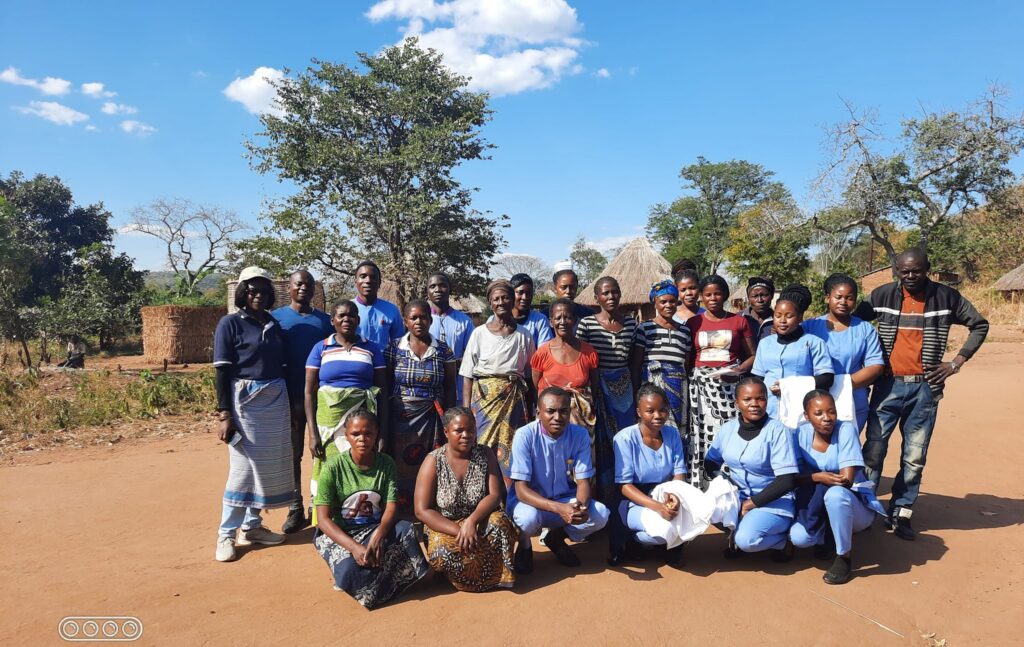
In our member interview with her, Caroline noted how inroads funding had allowed her team to reach remote areas never visited before, engage with local communities, and educate both women and men on their reproductive rights and abortion laws.
“We went to places where no organization had been before. We got on a boat, traveled through crocodile-infested waters after the rainy season, and reached women who had never heard of safe abortion. That was only possible because of inroads’ flexible funding.”
She also reflected on how inroads made funding more accessible and flexible, allowing grassroots activists like her to focus on community impact, rather than complex bureaucracy.
“Other funders make us fill out complicated forms in language we don’t understand. But inroads made it easy. They trust us.”
Beyond funding, inroads became a space of solidarity, mutual learning, and collective power for her, supporting her growth as a leader and global advocate within the reproductive justice field.
“Through inroads, I learned how other countries navigate their abortion laws, how they deal with challenges, how they’ve been fighting oppression and connecting their efforts. I was able to attend inroads’ global and regional meetings. That experience has been invaluable. In the 10 years that I’ve been a part of inroads, I can proudly say that I have increased my reproductive justice knowledge and my experience, and I have even increased our resources by working as a consultant to support other organizations,” shared Caroline.
Beyond work, Caroline also found inroads to be a place for joy and care for those at the frontlines – a vital resource in a country where advocating for abortion justice can too often feel isolating.
“At inroads, we work hard, but we also play hard. There is joy in this movement, even in the face of struggle.”
“One meeting that stuck with me at an inroads gathering was the fact that even men were able to come out and understand that women need access to abortion care. It was literally very surprising for me coming from my country where men do not come out and say, ‘Women have the right to have an abortion.’ So, meeting male advocates and hearing what they have to say—these men from Malawi and Tanzania, who are my neighbors—I was like, ‘Whoa. You guys are my neighbors, and this is what you are saying? I hope we are going to have some men in my country who will stand on a platform and say what you’re saying.’ It was amazing meeting some of these activists as well.”
Reproductive Justice & The Future: A Call for Continued Support
Within the conversation of reproductive justice, broader sociopolitical issues such as climate change and economic inequality and development cannot be ignored. Caroline paints a stark picture of these realities for the women she works with in Zambia, where these issues make access to reproductive healthcare even harder, increasing the urgency for support and resources.
“Women are walking further to fetch water, further to find food. Along the way, they are being assaulted, getting pregnant, and some turn to unsafe abortion.”
“In certain countries, when you say a village, you’re talking about an area that has electricity, with nice roads and facilities available. But in my country, when you talk about the village, you are talking about a grass-thatched house, a mud-made house, houses where you do not even own a mattress. You are talking about people who walk kilometers to fetch water, people who walk kilometers to buy food, and when one is sick or needs healthcare, they have to walk kilometers to a health facility.”
Like many of us, Caroline remains deeply concerned that funding for reproductive justice is shrinking or moving to other priorities without making the connection with reproduction rights—even as the need continues to rise.
“For two years, we haven’t been able to do as much because our funding ended. But the reports of unsafe abortions, of young girls dying, haven’t stopped. The need is still there. If these funders paid a visit to these areas and heard from these women themselves, they would change their minds when it comes to deprioritizing reproductive justice. They would literally change their minds. Let them get on a plane, visit some of these countries. Let them come to Zambia. I take them to Manachingwa; I take them to one of these villages. I take them to Manjaran and then they see what is on the ground. They see where the health facility is, how a woman has to move from one point to point B just to access a pill or to access comprehensive abortion care according to the laws of the country. They would see why our community work is necessary and life-saving.”
As we end our member interview with Caroline, we are deeply moved and incredibly proud to count SiTCha as a part of the inroads community for the past ten years and counting. Their wisdom, tenacity, and determination to reach those in their community shows us how vital supporting their work in Zambia continues to be.